History of Amsterdam's Canals – From Defence Moat to UNESCO Icon
Discover how Amsterdam's canals were engineered over centuries, from medieval moats to the UNESCO-listed canal belt you cruise today.
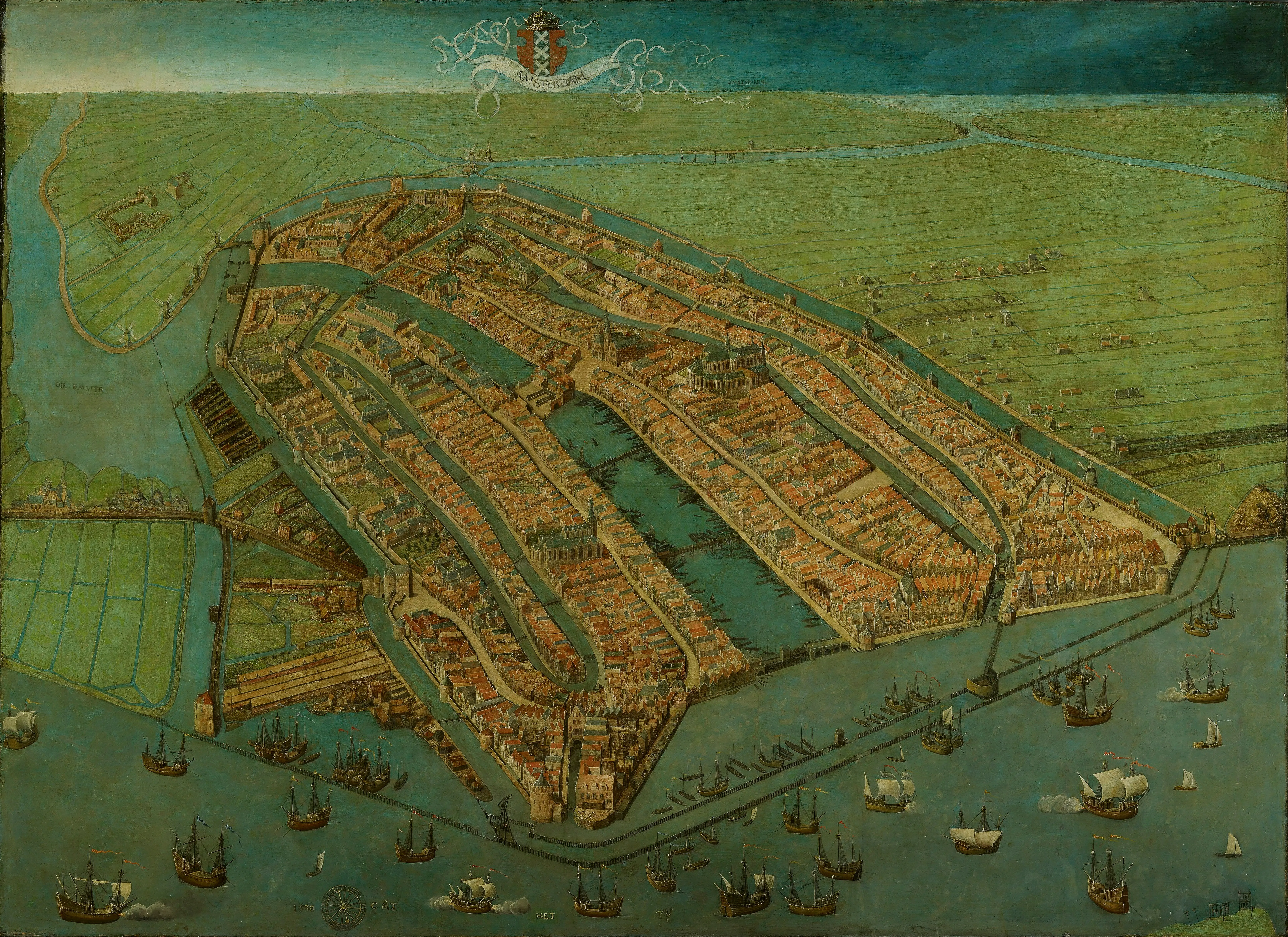
When you glide through Amsterdam's canals, you're actually sailing through 400 years of engineering, trade, and water management.
Timeline of the canals
| Period | What changed on the water |
|---|---|
| 1200s–1500s | Defensive ditches and basic harbour digging |
| Early 1600s | Planned expansion with the famous canal belt (Grachtengordel) |
| 1700s–1800s | Harbour modernization, warehouses, and bridge building |
| 1900s | Cars, trams, and debates about filling in canals |
| 1970s–today | Heritage protection, tourism, and sustainable water management |
Three main functions
- Defence – Early moats and walls protected a small trading town.
- Trade & storage – Canals delivered goods directly to warehouses and merchants' houses.
- Water management – In a low, marshy landscape, canals are the drainage system.
Without constant pumping, much of Amsterdam would slowly sink into marshland.[^1]
[^1]: Modern pumping stations quietly keep the water level under control 24/7.
Reading the canal belt from your boat
As your cruise enters the Herengracht or Keizersgracht, notice:
- The straight, geometric layout – not random; it was a master plan in the 1600s.
- Gabled houses with hooks on top – designed so goods could be hoisted directly from boats.
- Warehouses with many small windows and shutters – for ventilation and storage.
Look for subtle differences between the inner and outer rings:
- Inner canals → older, denser, more elite.
- Outer canals → later expansions, often with broader streets and more trees.
Key historical landmarks on typical cruise routes
- Centraal Station & the IJ – Built on artificial islands; opened in 1889 and changed the harbour forever.
- The 9 Streets (De Negen Straatjes) – Short, cross streets linking the main canals, once packed with craft workshops.
- The Anne Frank House area – Shows the shift from mercantile prosperity to the city’s 20th-century scars.
Look up: Many façades hide older timber frames or even medieval foundations behind later stone fronts.
Stories your guide might not tell you
- In the 19th century there were serious plans to fill in several canals to make way for traffic. A few disappeared; others were saved by public pressure.
- The canal belt was added to the UNESCO World Heritage list in 2010, recognising the unique combination of urban planning, architecture, and hydrology.
- The modern city still fights with subsidence, slowly sinking wooden piles, and changing water levels.
How to spot history during your cruise
- Bring or download a historic map and compare it live with your route.
- Pay attention to bridge names – they often refer to trades, saints, or local stories.
- If your audio guide is light on history, make your own mini-game: how many different gable shapes can you find?
Bottom line
Amsterdam's canals are not just scenery. They are infrastructure, memory, and lifeline all at once. Understanding their history turns a pleasant boat ride into a journey through one of Europe's most ambitious urban experiments.
About the Author

Netherlands History Writer
I wrote this guide to make canal cruising easy, insightful, and uncluttered — the way Amsterdam is best experienced.
Tags
Comments (0)
Loading comments...