Dutch Water Management in Amsterdam – What You Can Spot from a Canal Cruise
Learn how Amsterdam's canals, pumps, and locks work together to keep the city dry, plus what signs of Dutch water engineering to watch for on a boat tour.
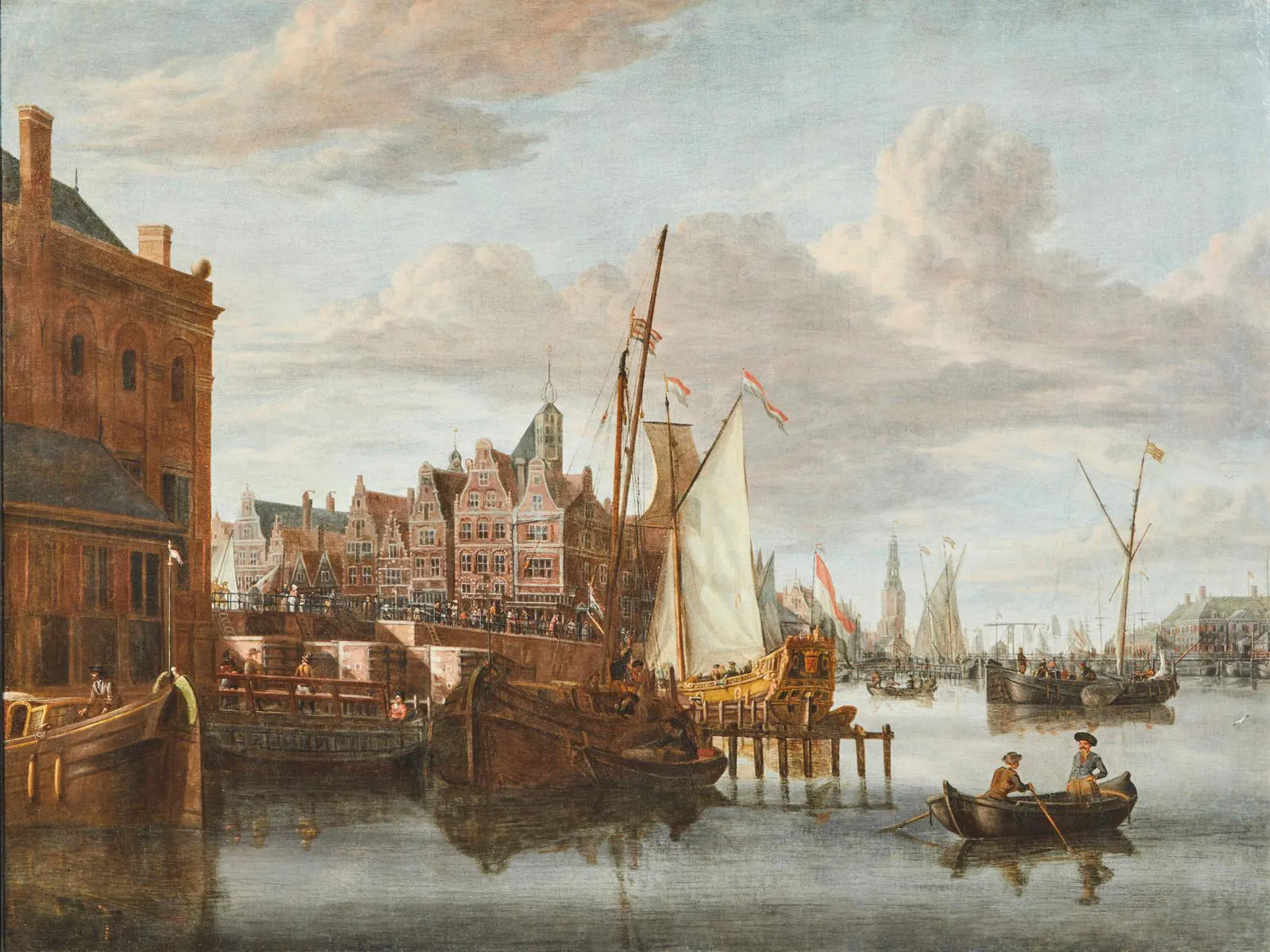
The Netherlands is famous for "fighting the sea", but in Amsterdam you’ll see that story play out in quiet, controlled water surfaces and a network of subtle engineering.
Amsterdam as a managed bowl
Much of the city lies in a shallow bowl below sea level:
- Water levels in canals are carefully regulated.
- Pumps constantly move water from lower polders to higher rivers and the sea.
- Locks and sluices function like taps and plugs in a giant bathtub.
The calm surface you see from your boat is not "natural" at all – it’s the result of constant, quiet work.
What to look for from the water
- Lock gates near transitions between canals and wider waterways.
- Pumping station buildings – often brick structures near the water with outflow channels.
- Slight differences in water level when your boat passes through a lock.
Simple diagram (conceptual)
text Low-lying polder → Canal → Pumping station → River (IJ/Amstel) → Sea
Why canals don't smell like open sewers
Historically, canals could be dirty; modern Amsterdam uses:
- Flushing systems that periodically refresh canal water.
- Improved sewage infrastructure that separates waste and storm water.
- Rules for houseboats requiring proper connections.
The result: in many places, the water is clean enough for wildlife and even occasional organised swims.
Climate change and future challenges
Rising sea levels and heavier rainstorms make water management more complex:
- Systems must handle sudden heavy rainfall without flooding streets.
- Engineers are upgrading dikes, pumps, and storage basins.
- New developments incorporate "water squares" and green roofs.
Bottom line
When your boat glides smoothly under a bridge, you’re floating on top of one of Europe’s most carefully managed water systems.
Seeing Amsterdam with that in mind turns every lock gate and pump house into a small piece of a very big puzzle.
About the Author

Water & Engineering Writer
I wrote this guide to make canal cruising easy, insightful, and uncluttered — the way Amsterdam is best experienced.
Tags
Comments (0)
Loading comments...