Accessible Amsterdam Canal Cruises – Wheelchair-Friendly Options and Tips
Plan an accessible canal cruise in Amsterdam with practical advice on wheelchair access, boarding, audio guides, and mobility support.
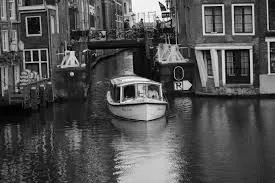
Canal cruises can be a comfortable option for travellers with reduced mobility – but accessibility levels vary by company and boat.
What "accessible" can mean on the canals
Because of old quays and changing water levels, no two boarding points are the same. In practice, accessibility may include:
- Level or ramped boarding at specific piers.
- Spaces where wheelchairs can remain unfolded on board.
- Lower steps and handrails for those with limited mobility.
- Visual or written commentary for those who are hard of hearing.
Always check specific boats and departure points rather than assuming all cruises from a company are equally accessible.
Questions to ask before you book
- Is this exact departure wheelchair accessible?
- What is the maximum width and weight for wheelchairs?
- Are the toilets accessible, or are they up/down steps?
- Can companions sit next to or directly opposite a wheelchair space?
- Is commentary available via text, screen, or loop systems?
Make notes and, if possible, get confirmations in writing (email).
Boarding tips
- Arrive 15–20 minutes early so staff can prepare ramps or seating.
- Inform crew of any specific needs (e.g. transfer requirements, visual impairment).
- Check tide or water level changes if you’re cruising on the IJ or outer harbour.
Seating suggestions
- Choose spots with a clear line of sight to windows, not blocked by supports.
- For those with reduced neck mobility, side-facing seats may be more comfortable.
Hearing and vision support
- Some operators offer audio in multiple languages via apps so you can plug in your own headphones.
- Others provide printed route explanations with key landmarks.
- For low-vision travellers, focus less on commentary and more on the rhythm of bridges, light, and sounds.
Bottom line
Accessible canal cruises are absolutely possible, but they require specific information.
Contact companies in advance, confirm the exact boat and pier, and you can enjoy Amsterdam's waterways without unnecessary stress.
About the Author

Accessible Travel Specialist
I wrote this guide to make canal cruising easy, insightful, and uncluttered — the way Amsterdam is best experienced.
Tags
Comments (0)
Loading comments...