Amsterdam Canal History Cruise Narrative: Golden Age Explained
Understand Amsterdam's canal ring through a long narrative that links urban history to modern boat routes.
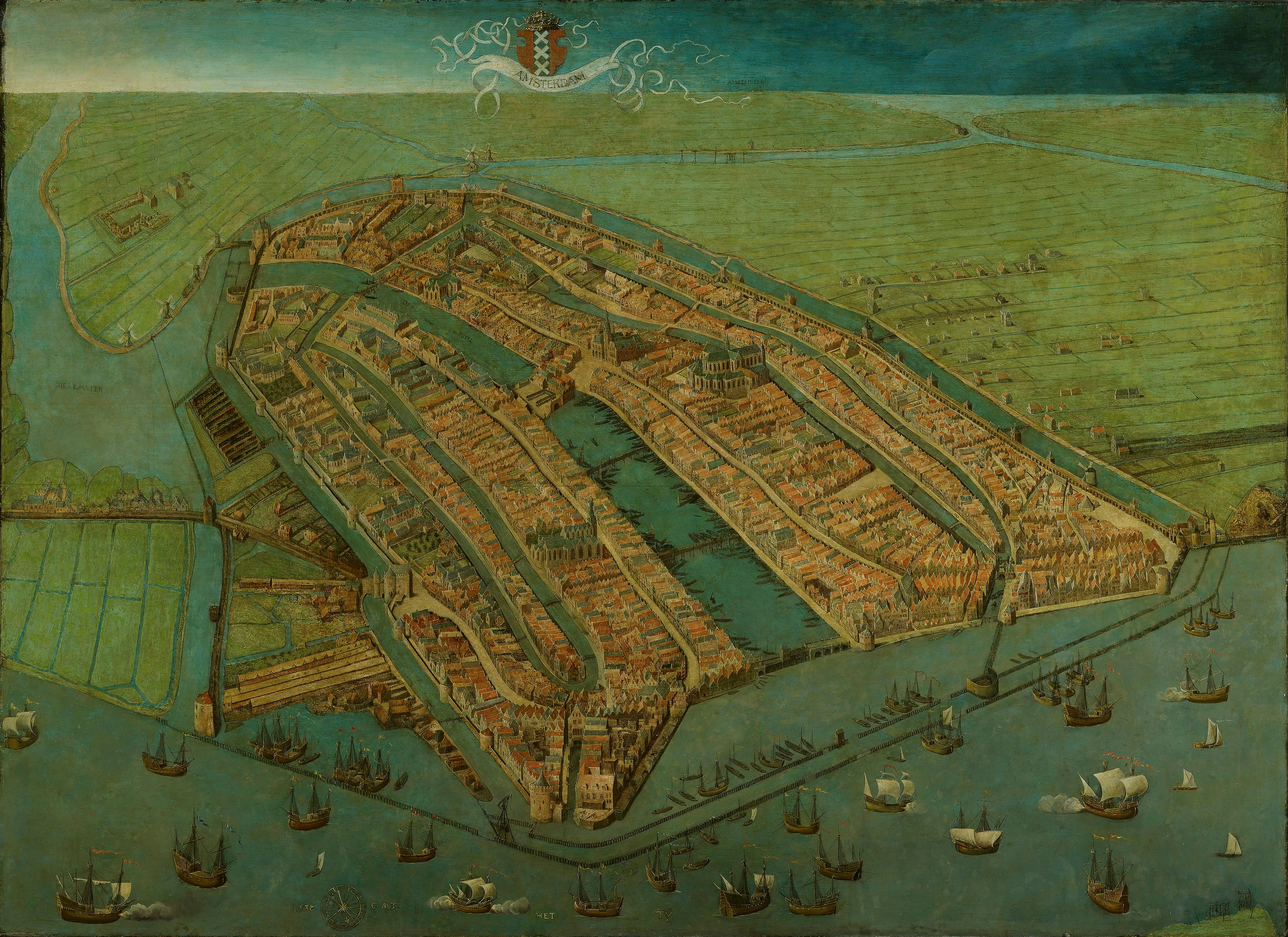
Golden Age Waterways
Amsterdam did not "grow" around water.
It was designed with water.
That distinction matters, and nowhere is it clearer than from the deck of a canal boat tracing the geometry of the 17th-century expansion.
The Three-Canal Logic
The famous arcs are not decorative.
They encode policy choices:
- commerce,
- defense,
- drainage,
- social hierarchy.
A practical reading from the water
| Canal | Historical Role | What You Notice Today |
|---|---|---|
| Herengracht | Elite residences | Grand facades and wider rhythm |
| Keizersgracht | Capacity and prestige | Broad spans and stately bridges |
| Prinsengracht | Mixed-use vitality | Livelier residential-commercial mix |
The Warehouse Language
Look up at old facades and you will spot beam hooks near roof peaks. These were not aesthetic details. They were logistics.
Goods moved by:
- boat,
- hoist,
- storage,
- trade.
A cruise guide can mention this in one sentence; seeing it repeated building after building turns the sentence into understanding.
Water Management as Urban Intelligence
At first glance, canals appear romantic. At system level, they are infrastructure.
They historically supported:
- controlled drainage,
- transport throughput,
- parcel organization,
- defensive depth.
In modern terms, Amsterdam's old network is a resilient multi-use platform.
UNESCO and Living Heritage
The canal ring's UNESCO status is not a museum label. People still live, work, and commute through this inherited framework.
That tension—preservation plus everyday use—is what makes canal cruising educational rather than merely scenic.
Travel Application
If you care about history, do this sequence:
- Morning canal cruise for structural overview.
- Short museum or archive visit for artifacts.
- Late-afternoon return walk along one canal segment.
You will retain far more than by doing either activity alone.
Final Thought
Some cities are remembered by skylines.
Amsterdam is remembered by systems.
And from the water, that system becomes visible in one continuous line.
About the Author

Editorial Voyage Desk
I wrote this guide to make canal cruising easy, insightful, and uncluttered — the way Amsterdam is best experienced.
Tags
Comments (0)
Loading comments...