Bridges, boats, and gabled stories
Cruise through centuries of trade, craft, and everyday life.
Table of Contents
Origins of Amsterdam’s canals
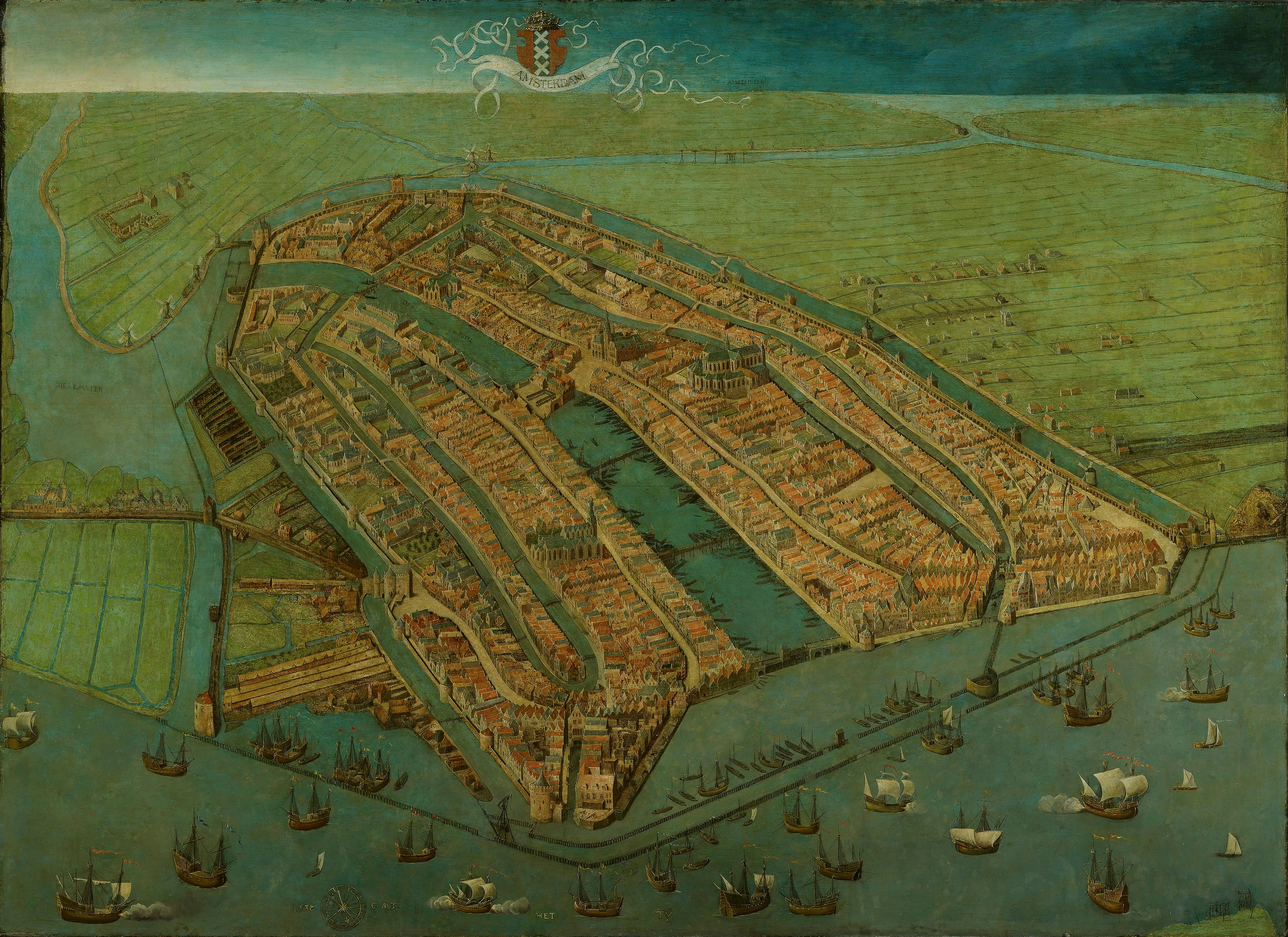
Amsterdam began as a modest settlement by a dam on the Amstel, hemmed in by marshes and tidal flats. Water was both obstacle and opportunity: fishermen, merchants, and craftspeople lived by the rhythms of tides and storms.
To move goods and keep streets dry, the city dug ditches and built quays. Over centuries, these works became purposeful canals — rings and radiating spines that shaped neighborhoods, markets, and a city that could breathe and grow.
The Golden Age and the canal ring
In the early 1600s, a bold urban plan extended Amsterdam west and south, carving the three famous rings — Herengracht, Keizersgracht, and Prinsengracht — with cross‑canals and warehouses. It was engineering with social vision: water soothed traffic, drained land, and offered movement.
Merchants financed façades with ornate gables; spices, timber, and artworks crossed the world to reach these quays. The canal ring, now a UNESCO World Heritage Site, remains the city’s defining space — intimate, orderly, and endlessly photogenic.
Bridges, houseboats, and daily life
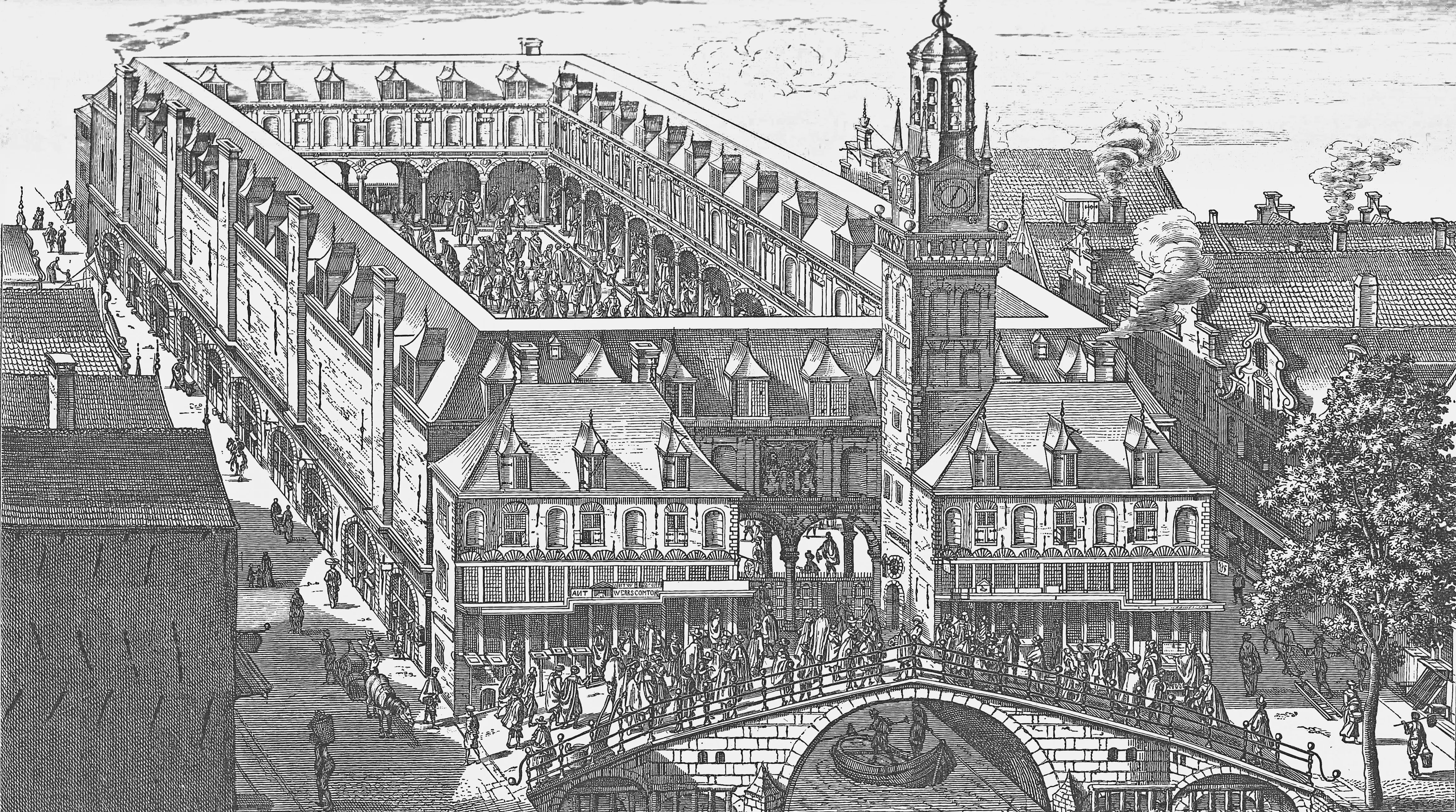
Bridges knit the city together. Of Amsterdam’s hundreds, each arch frames a new scene: cyclists gliding, boats whispering below, and locals leaning on a rail watching water light flicker.
Houseboats arrived as practical homes and have become beloved fixtures. From wooden barges to modern floating houses, they carry stories of families, artists, and a city that welcomes life on the water’s edge.
Museums and waterfront landmarks
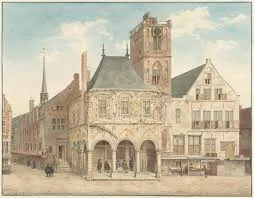
Cruises glide past entries to the Rijksmuseum, the Hermitage (H’ART), the Anne Frank House, and the Heineken Brewery — not all visible inside, but each connected by a short walk from the water.
Canal‑side churches and market halls — Westerkerk’s tower, Zuiderkerk’s bricks — rise above the roofs, guiding your eye as you trace the skyline from the quiet of a boat.
Architecture & merchant houses
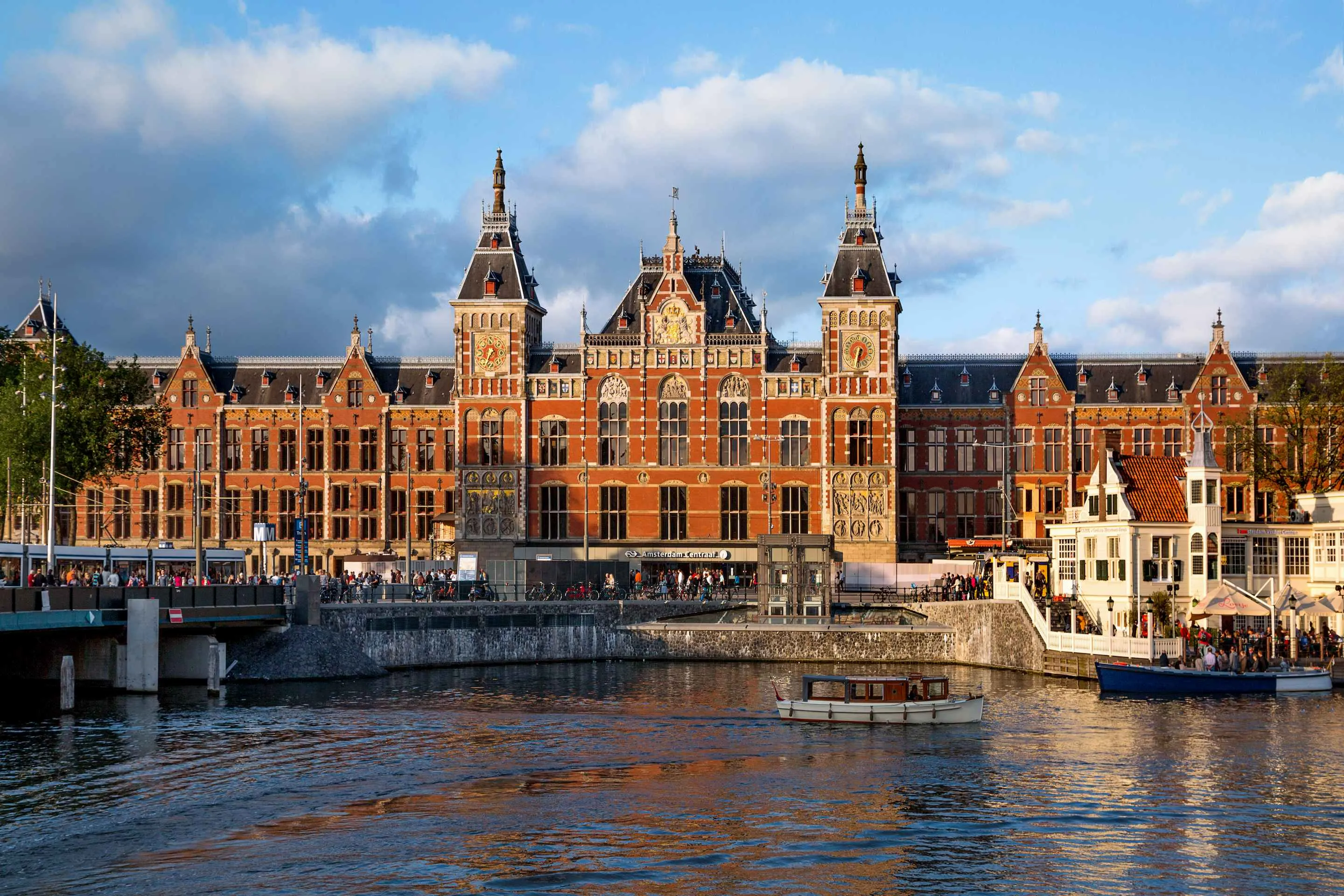
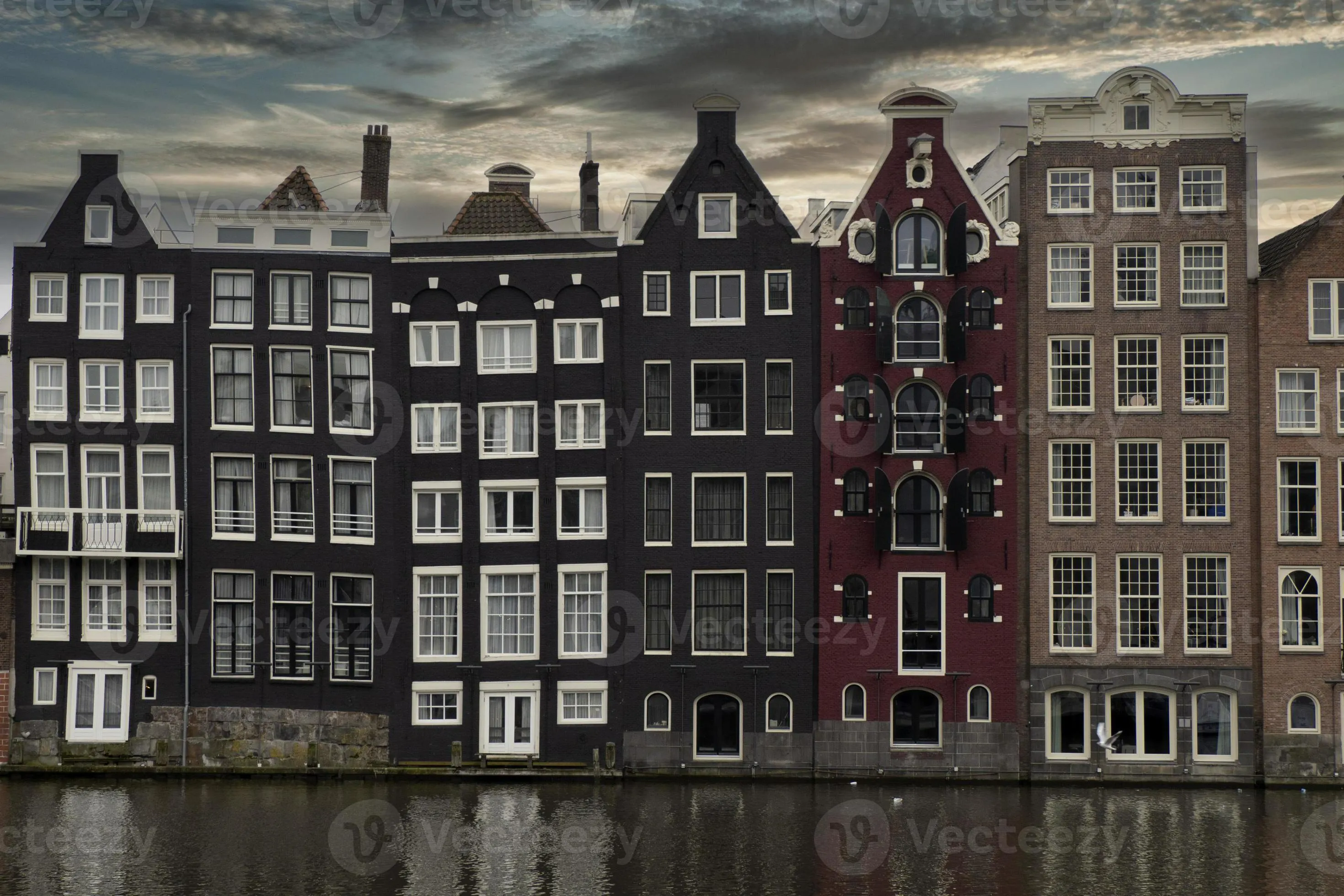
Look up for neck, bell, and stepped gables — miniature sculptures on the skyline. Hoisting beams hint at how trade lived: goods were lifted through wide windows; narrow plots grew tall and elegant.
The ‘Golden Bend’ on Herengracht showcases wealthier mansions; elsewhere, warehouses and modest homes keep the city human‑sized and warm.
Workshops, boatbuilding & craft
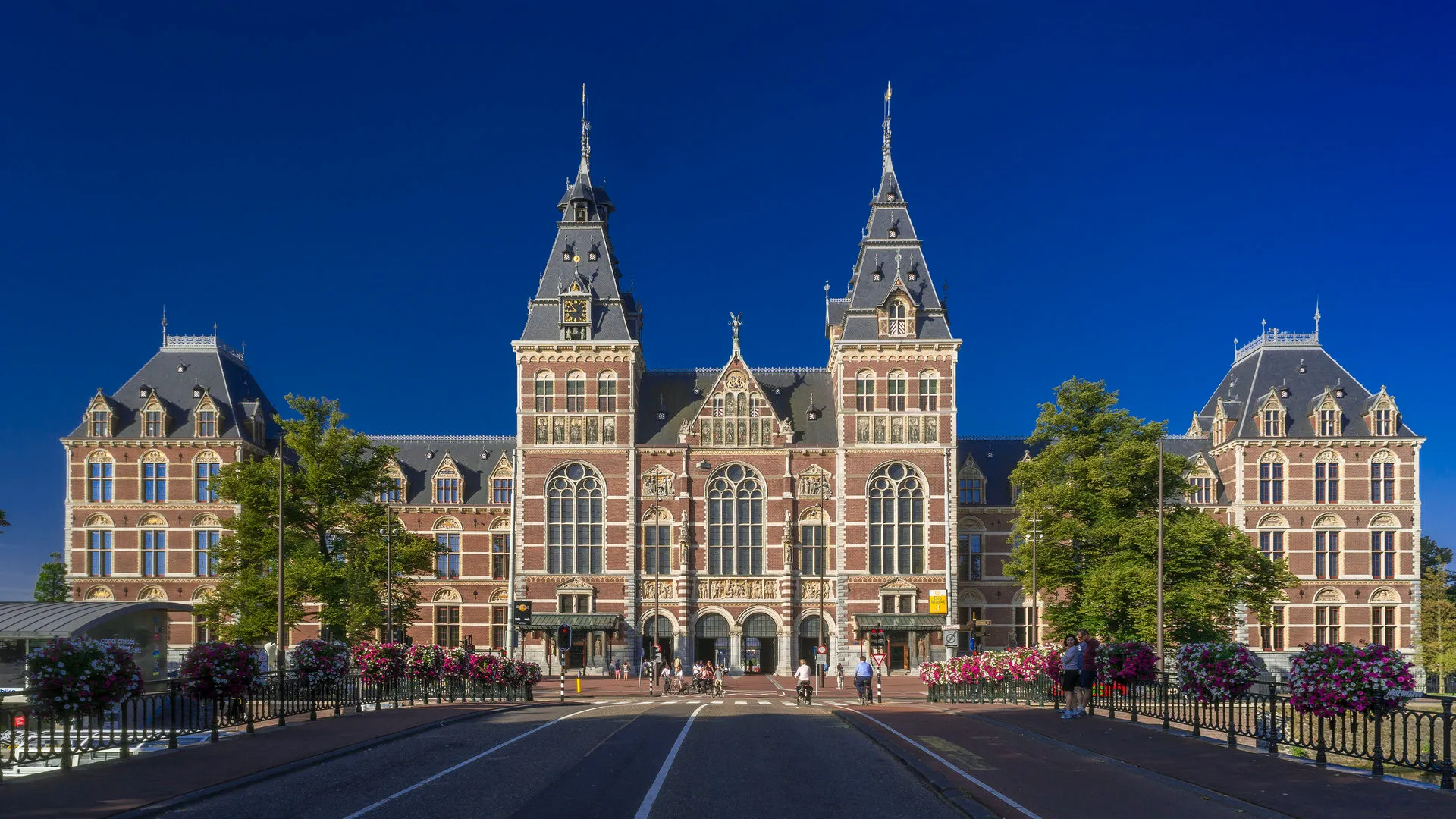
Boats are still built and repaired in petite yards; carpenters, skippers, and engineers keep the fleet nimble. It’s a quiet craft tradition that endures beside cafés and studios.
On open‑boat rides, skippers often share local stories — a favorite bridge, a hidden courtyard — reminding you that the canals are lived places, not just scenery.
Routes, locks & water management

Amsterdam is a choreography of water: sluices regulate levels, locks guide boats, and the IJ and Amstel tie the network to sea and river. This management keeps streets dry and traffic gentle.
Cruise routes loop through the inner ring and out to the Amstel; longer rides reach the harbor for views of A’DAM Lookout and the EYE Film Institute.
Safety & accessibility
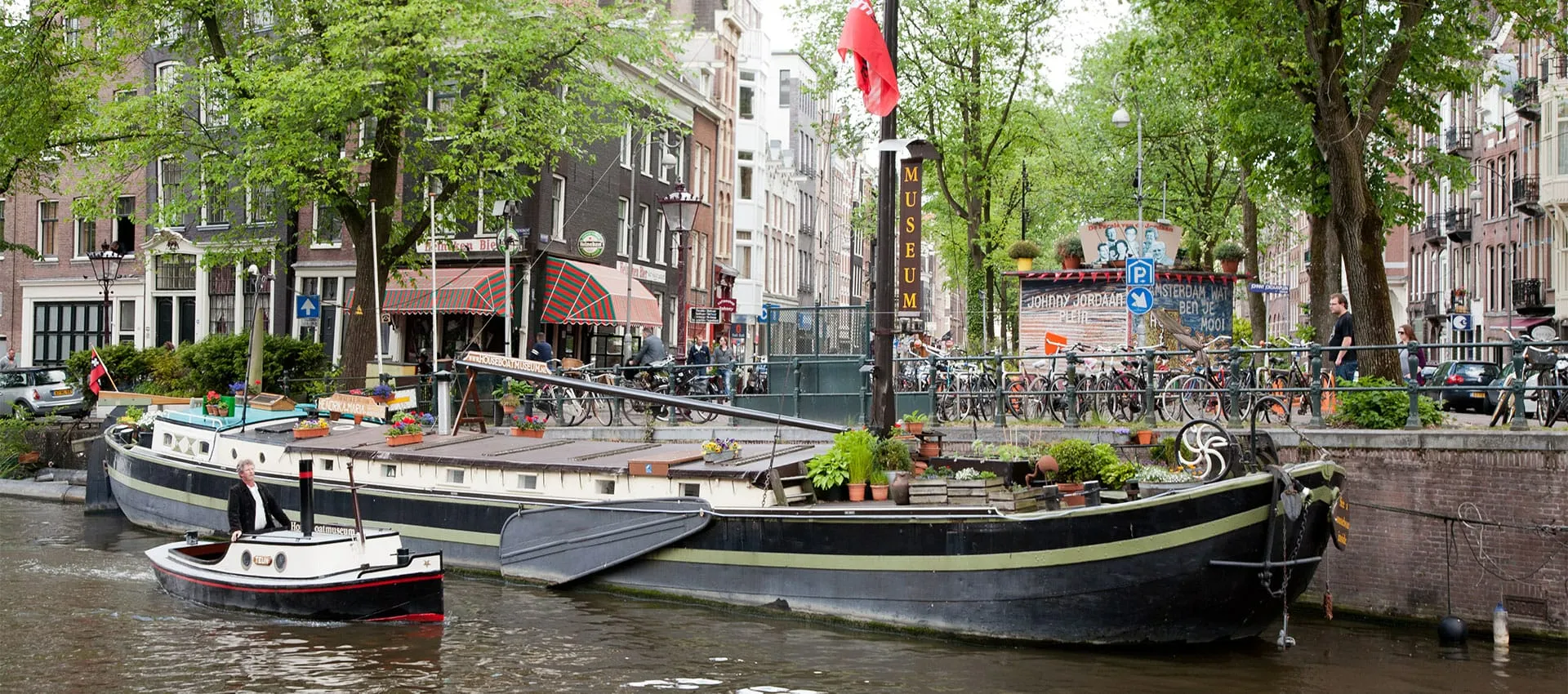
Piers are signposted; crews assist with boarding. Some boats offer ramps and accessible seating — check with your operator for specific arrangements.
Service may adjust during high winds or icy conditions in winter; schedules update quickly and staff guide alternative boarding.
Festivals, lights & seasons
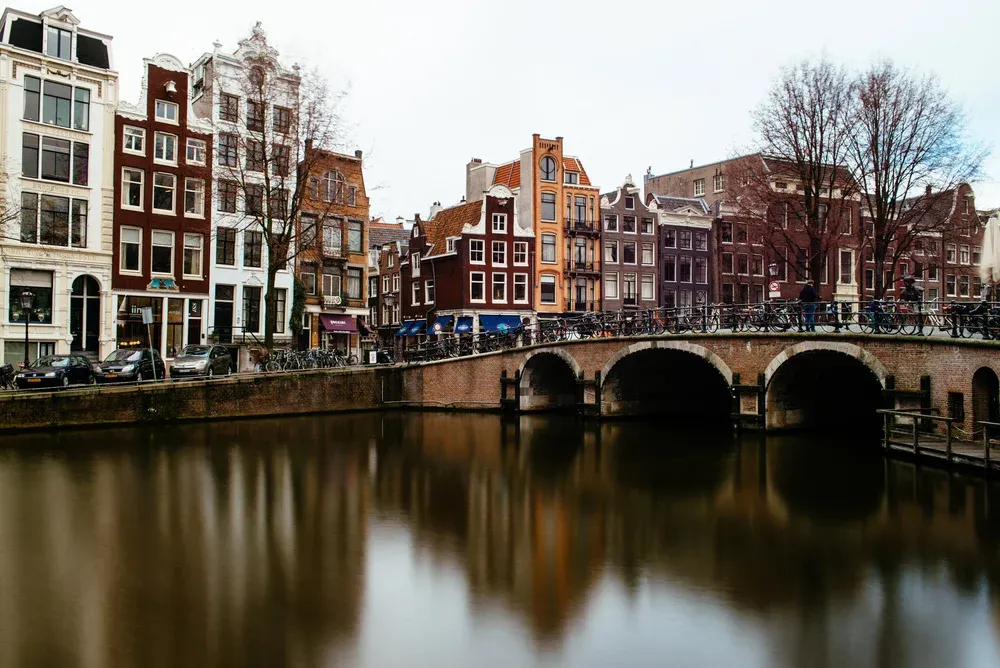
Winter brings the Amsterdam Light Festival, when illuminated artworks float along routes at night. In spring, blossoms brush façades; summer evenings glow with long twilights.
King’s Day transforms the waterways with orange boats and music — cruises adapt operations while locals celebrate a city joyfully afloat.
Tickets, passes & combos
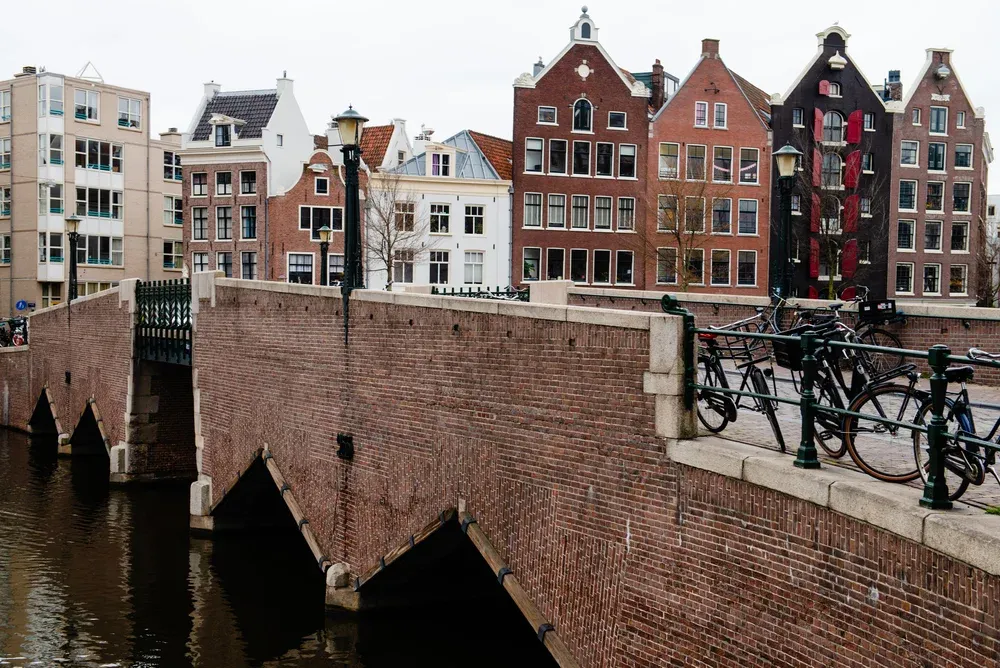
Buying online secures your departure and lets you choose boat style and language.
The I amsterdam City Card includes a canal cruise with select partners — useful if you plan multiple sights.
Preservation & sustainability
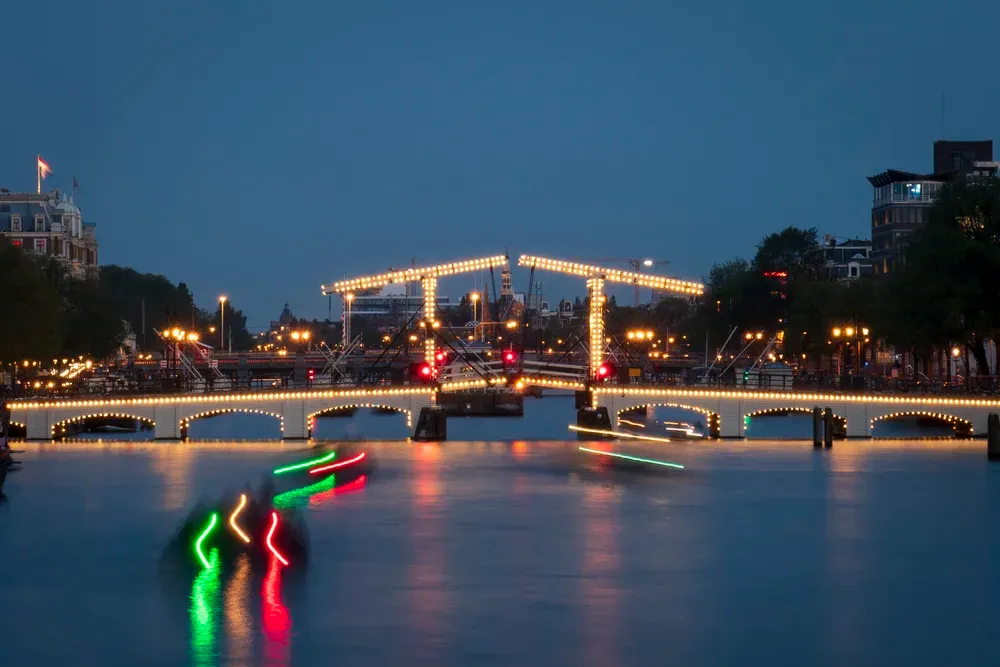
Many operators run electric boats and train skippers to minimize wake, protecting banks and houseboat moorings.
Choose responsible departures and avoid peak crowding when you can — it keeps the canals peaceful for everyone.
Neighborhoods along the water
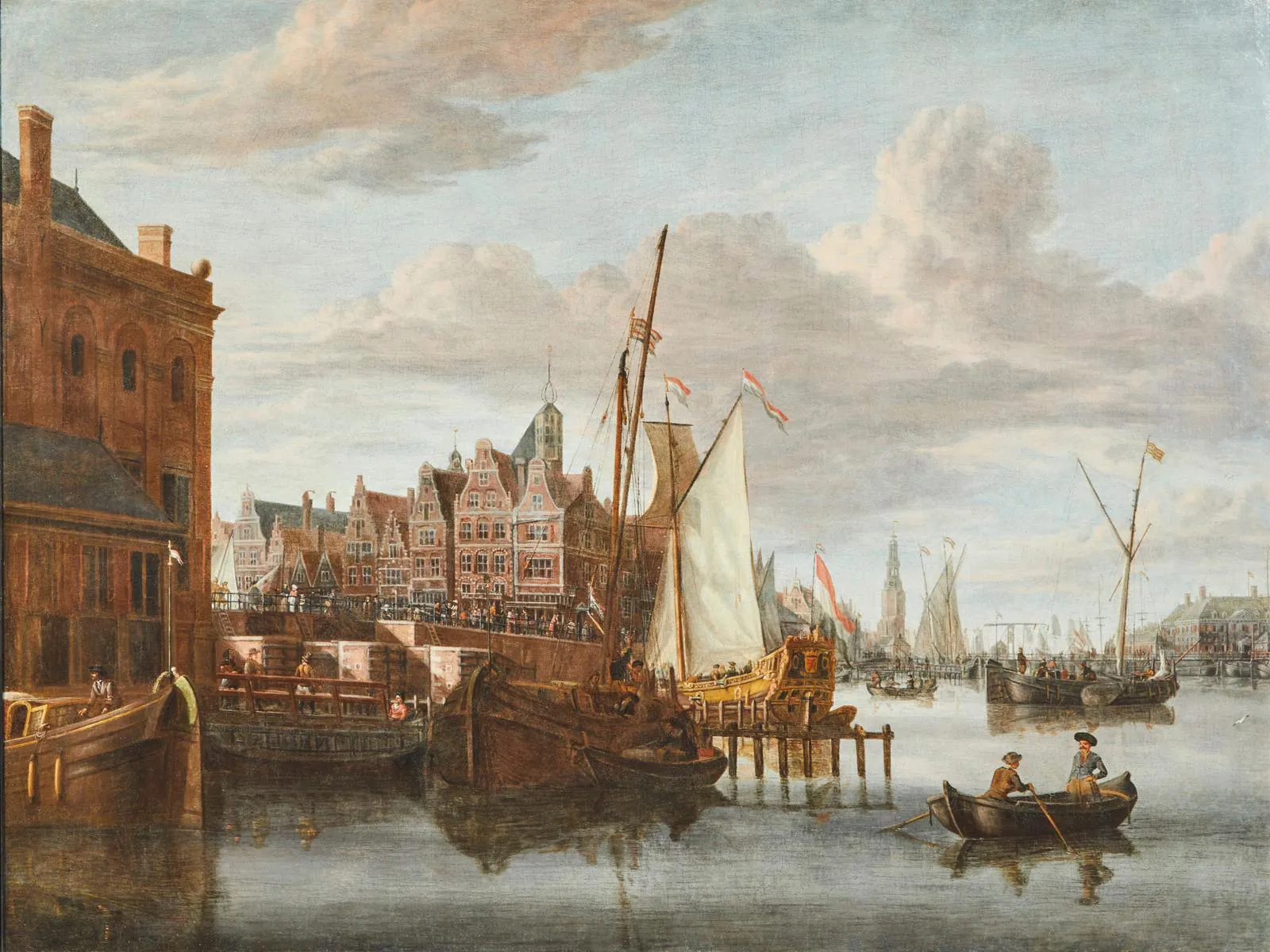
Glide by Jordaan’s cozy corners, the Nine Streets’ boutiques, and the Museum Quarter’s stately lawns. Each bend reveals a new neighborhood mood.
Markets at Albert Cuyp and Bloemenmarkt, music near Leidseplein, and quiet mornings in the east — the canals connect it all.
Why the canals matter
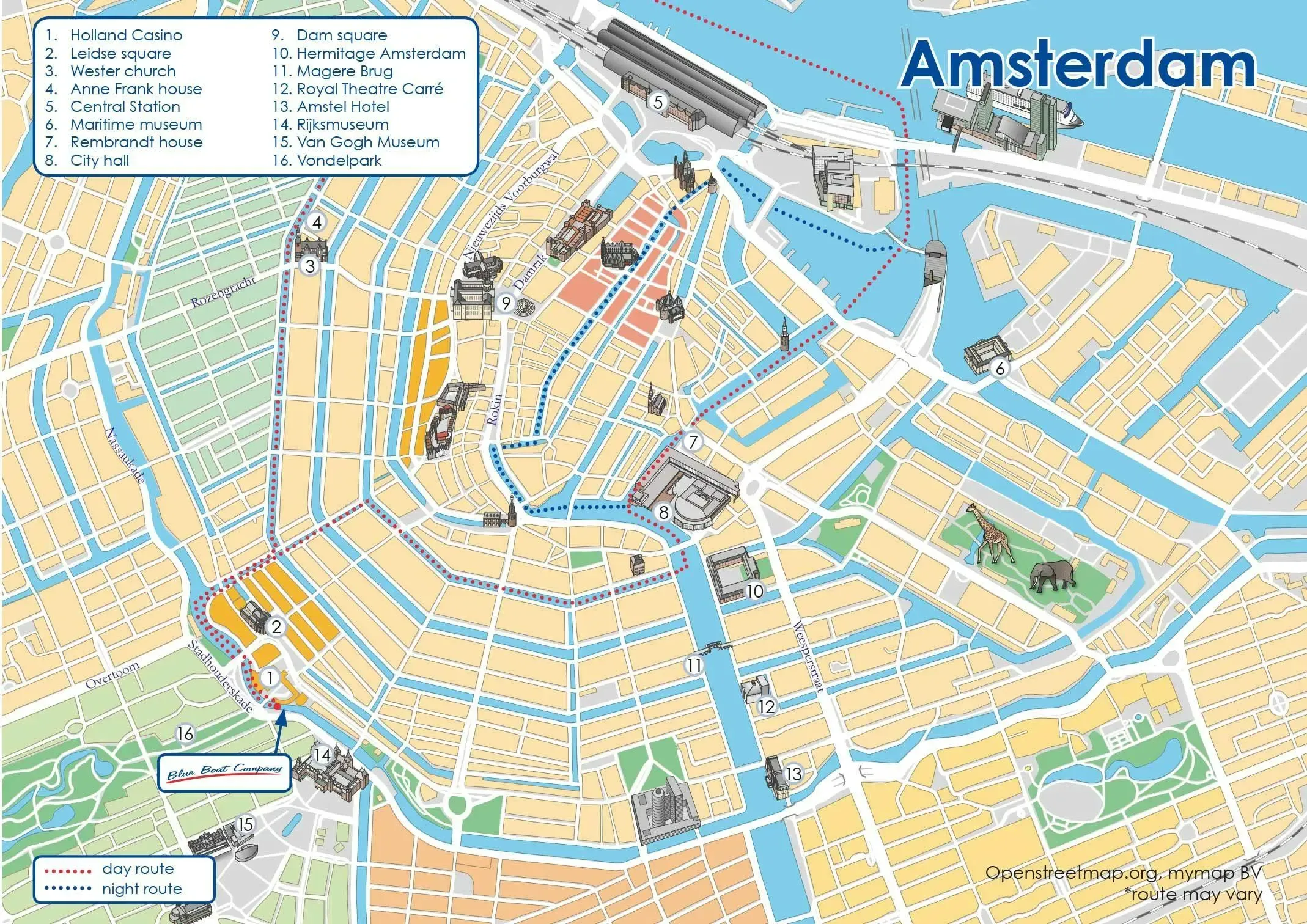
The canals are Amsterdam’s memory and present tense — infrastructure as culture, shaped by work and daily ease.
Cruising them supports a living city, from skilled crews to quiet stewardship of its water and stone.
Table of Contents
Origins of Amsterdam’s canals
Amsterdam began as a modest settlement by a dam on the Amstel, hemmed in by marshes and tidal flats. Water was both obstacle and opportunity: fishermen, merchants, and craftspeople lived by the rhythms of tides and storms.
To move goods and keep streets dry, the city dug ditches and built quays. Over centuries, these works became purposeful canals — rings and radiating spines that shaped neighborhoods, markets, and a city that could breathe and grow.
The Golden Age and the canal ring
In the early 1600s, a bold urban plan extended Amsterdam west and south, carving the three famous rings — Herengracht, Keizersgracht, and Prinsengracht — with cross‑canals and warehouses. It was engineering with social vision: water soothed traffic, drained land, and offered movement.
Merchants financed façades with ornate gables; spices, timber, and artworks crossed the world to reach these quays. The canal ring, now a UNESCO World Heritage Site, remains the city’s defining space — intimate, orderly, and endlessly photogenic.
Bridges, houseboats, and daily life
Bridges knit the city together. Of Amsterdam’s hundreds, each arch frames a new scene: cyclists gliding, boats whispering below, and locals leaning on a rail watching water light flicker.
Houseboats arrived as practical homes and have become beloved fixtures. From wooden barges to modern floating houses, they carry stories of families, artists, and a city that welcomes life on the water’s edge.
Museums and waterfront landmarks
Cruises glide past entries to the Rijksmuseum, the Hermitage (H’ART), the Anne Frank House, and the Heineken Brewery — not all visible inside, but each connected by a short walk from the water.
Canal‑side churches and market halls — Westerkerk’s tower, Zuiderkerk’s bricks — rise above the roofs, guiding your eye as you trace the skyline from the quiet of a boat.
Architecture & merchant houses
Look up for neck, bell, and stepped gables — miniature sculptures on the skyline. Hoisting beams hint at how trade lived: goods were lifted through wide windows; narrow plots grew tall and elegant.
The ‘Golden Bend’ on Herengracht showcases wealthier mansions; elsewhere, warehouses and modest homes keep the city human‑sized and warm.
Workshops, boatbuilding & craft
Boats are still built and repaired in petite yards; carpenters, skippers, and engineers keep the fleet nimble. It’s a quiet craft tradition that endures beside cafés and studios.
On open‑boat rides, skippers often share local stories — a favorite bridge, a hidden courtyard — reminding you that the canals are lived places, not just scenery.
Routes, locks & water management
Amsterdam is a choreography of water: sluices regulate levels, locks guide boats, and the IJ and Amstel tie the network to sea and river. This management keeps streets dry and traffic gentle.
Cruise routes loop through the inner ring and out to the Amstel; longer rides reach the harbor for views of A’DAM Lookout and the EYE Film Institute.
Safety & accessibility
Piers are signposted; crews assist with boarding. Some boats offer ramps and accessible seating — check with your operator for specific arrangements.
Service may adjust during high winds or icy conditions in winter; schedules update quickly and staff guide alternative boarding.
Festivals, lights & seasons
Winter brings the Amsterdam Light Festival, when illuminated artworks float along routes at night. In spring, blossoms brush façades; summer evenings glow with long twilights.
King’s Day transforms the waterways with orange boats and music — cruises adapt operations while locals celebrate a city joyfully afloat.
Tickets, passes & combos
Buying online secures your departure and lets you choose boat style and language.
The I amsterdam City Card includes a canal cruise with select partners — useful if you plan multiple sights.
Preservation & sustainability
Many operators run electric boats and train skippers to minimize wake, protecting banks and houseboat moorings.
Choose responsible departures and avoid peak crowding when you can — it keeps the canals peaceful for everyone.
Neighborhoods along the water
Glide by Jordaan’s cozy corners, the Nine Streets’ boutiques, and the Museum Quarter’s stately lawns. Each bend reveals a new neighborhood mood.
Markets at Albert Cuyp and Bloemenmarkt, music near Leidseplein, and quiet mornings in the east — the canals connect it all.
Why the canals matter
The canals are Amsterdam’s memory and present tense — infrastructure as culture, shaped by work and daily ease.
Cruising them supports a living city, from skilled crews to quiet stewardship of its water and stone.