운영 시간09:00 AM – 10:00 PM
|일요일, 8월 30, 2026암스테르담 운하 지구(Grachtengordel), 암스테르담, 네덜란드
돌아가기: culture
history
History of Amsterdam Canals: Engineering the Golden Age
Learn how Amsterdam's canals were built, why they exist, and their role in the Dutch Golden Age. A deep dive into UNESCO World Heritage history.
10/30/2025
15 min read
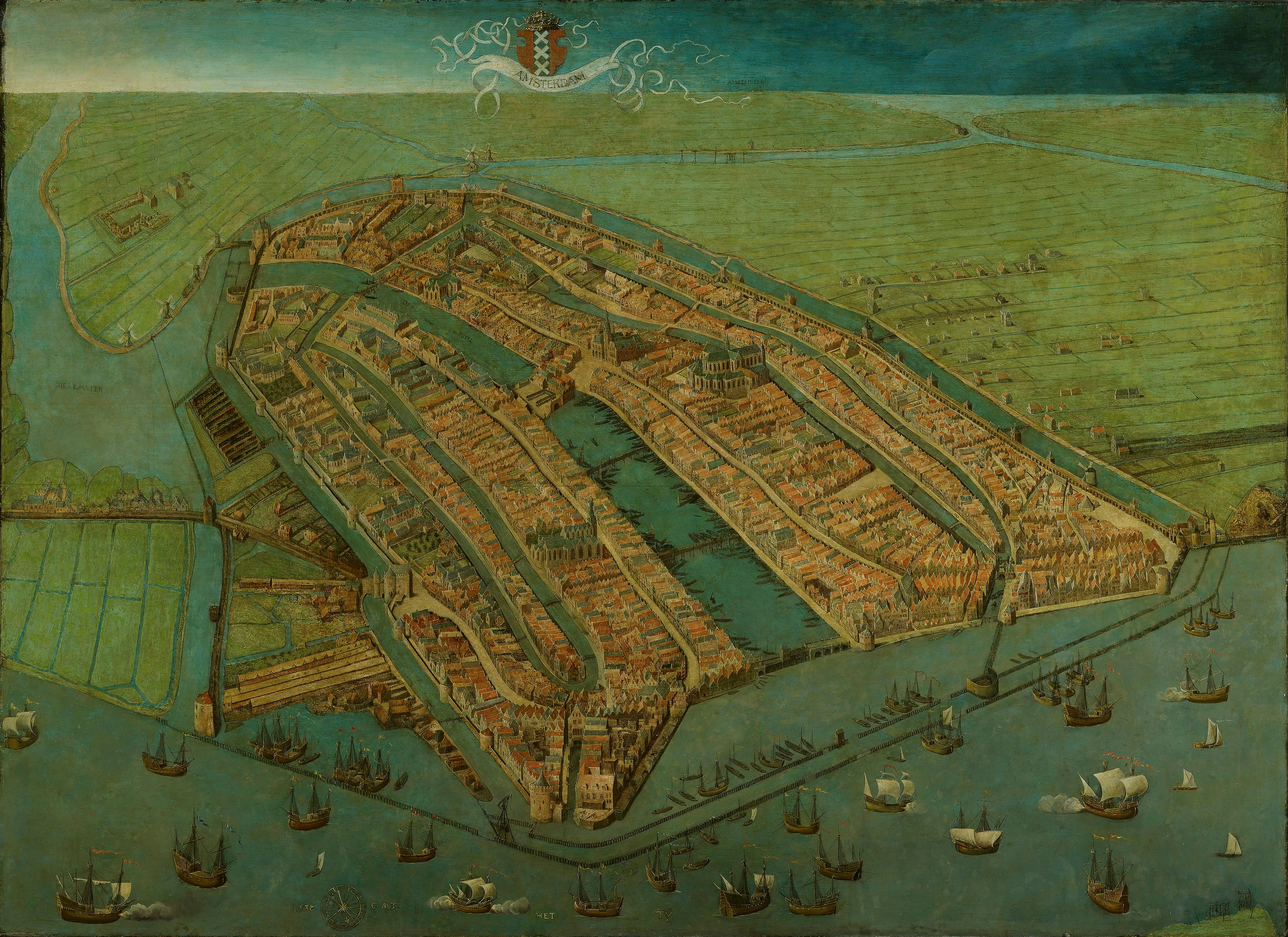
  To understand Amsterdam, you must understand its water. The city didn't just happen; it was engineered. The *Grachtengordel* (Canal Ring) is a masterpiece of hydraulic engineering and urban planning that dates back to the Dutch Golden Age.

  ## The Plan of Three Canals
  In the early 1600s, Amsterdam was bursting at the seams due to an influx of immigrants and trade wealth. The city council adopted a massive expansion plan: digging three main concentric canals around the medieval center.

  1.  **Herengracht (Gentlemen's Canal):** For the wealthiest merchants and regents.
  2.  **Keizersgracht (Emperor's Canal):** Named after Maximilian I, widest and grandest.
  3.  **Prinsengracht (Prince's Canal):** Named after Prince William of Orange, slightly more modest and mixed-use.

  ## Function Over Form?
  While beautiful today, they served practical purposes:
  *   **Defense:** They acted as a watery moat.
  *   **Transport:** Goods from all over the world were delivered directly to the warehouses (look for the hoisting hooks still on the gables today!).
  *   **Water Management:** Draining the swampy land to build houses.

  ## UNESCO Status
  In 2010, this area was added to the UNESCO World Heritage list, recognizing it as a unique monumental urban landscape that has remained largely preserved for four centuries.
저자 소개

Prof. Willem de Groot
이 사이트는, 복잡하게만 느껴질 수 있는 운하 크루즈 선택을 조금 더 단순하고 편안하게 만들어 보고 싶다는 마음에서 시작되었습니다. 화려한 홍보 문구 대신, 실제로 여행자가 알고 싶어 하는 정보와 현지에서 느낀 분위기를 담아 정리했습니다.
Tags
history
Golden Age
architecture
UNESCO
education
Comments (0)
Leave a Comment
Loading comments...