ตารางเวลาเข้าชมปิด
|วันอาทิตย์, สิงหาคม 30, 2026เขตคลองอัมสเตอร์ดัม (Grachtengordel), เมืองอัมสเตอร์ดัม ประเทศเนเธอร์แลนด์
กลับไปที่ culture
history
History of Amsterdam Canals: Engineering the Golden Age
Learn how Amsterdam's canals were built, why they exist, and their role in the Dutch Golden Age. A deep dive into UNESCO World Heritage history.
10/30/2025
15 min read
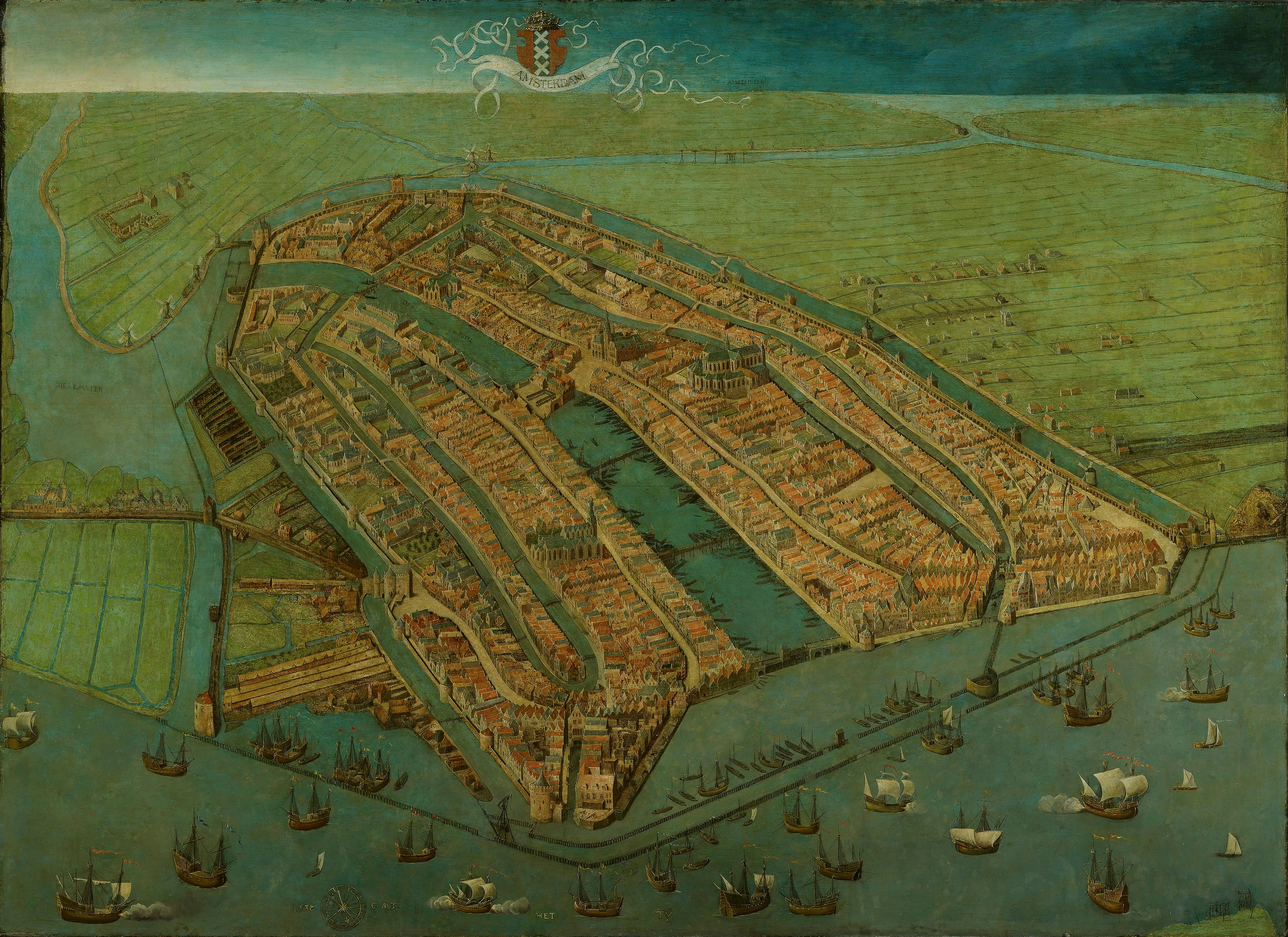
  To understand Amsterdam, you must understand its water. The city didn't just happen; it was engineered. The *Grachtengordel* (Canal Ring) is a masterpiece of hydraulic engineering and urban planning that dates back to the Dutch Golden Age.

  ## The Plan of Three Canals
  In the early 1600s, Amsterdam was bursting at the seams due to an influx of immigrants and trade wealth. The city council adopted a massive expansion plan: digging three main concentric canals around the medieval center.

  1.  **Herengracht (Gentlemen's Canal):** For the wealthiest merchants and regents.
  2.  **Keizersgracht (Emperor's Canal):** Named after Maximilian I, widest and grandest.
  3.  **Prinsengracht (Prince's Canal):** Named after Prince William of Orange, slightly more modest and mixed-use.

  ## Function Over Form?
  While beautiful today, they served practical purposes:
  *   **Defense:** They acted as a watery moat.
  *   **Transport:** Goods from all over the world were delivered directly to the warehouses (look for the hoisting hooks still on the gables today!).
  *   **Water Management:** Draining the swampy land to build houses.

  ## UNESCO Status
  In 2010, this area was added to the UNESCO World Heritage list, recognizing it as a unique monumental urban landscape that has remained largely preserved for four centuries.
เกี่ยวกับผู้เขียน

Prof. Willem de Groot
คู่มือนี้ถูกเขียนขึ้นจากมุมมองของคนที่อยากให้การล่องเรือชมคลองเป็นประสบการณ์ที่เรียบง่าย ไม่วุ่นวาย และเต็มไปด้วยความเข้าใจในเมือง มากกว่าจะจดจำได้เพียงแค่รายชื่อสถานที่ท่องเที่ยว
Tags
history
Golden Age
architecture
UNESCO
education
Comments (0)
Leave a Comment
Loading comments...